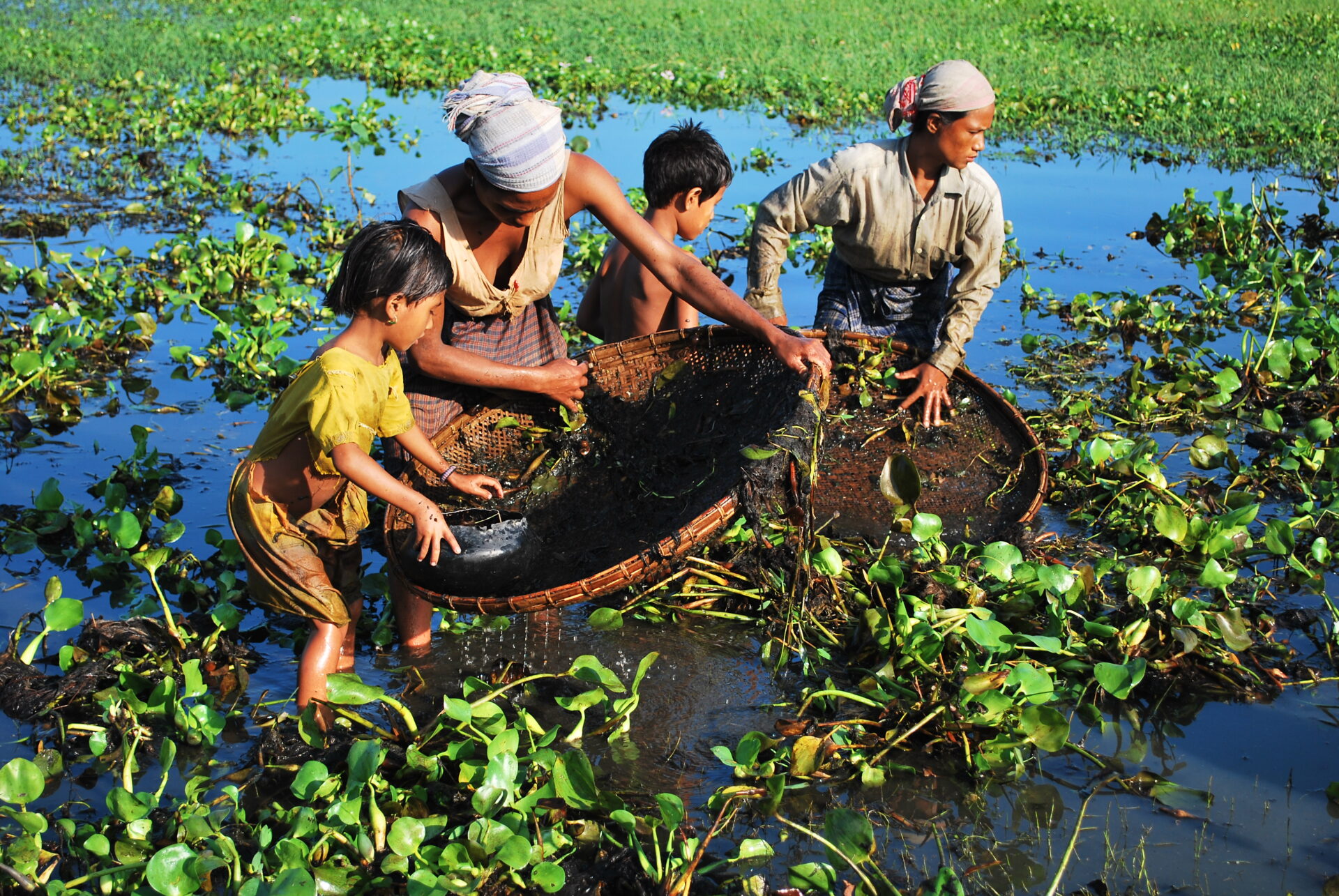
Johan Krieg and Emilie Cremin are organising the panel « Rivers, Power, and Resistance: Political Ecology and Transformative Water Governance in South Asia » on the 2d of July 2026 at the Pollen 2026 conference in Barcelona.
Rivers in South Asia are not just ecological systems—they are sites of power, identity, and resistance. This panel, grounded in political ecology, examines how infrastructures and discourses of river management—dams, river-linking projects, sacralized waterways—become instruments of state-making, ideological control, and contested visions of development. Hydrosocial interventions often reinforce caste, class, and religious hierarchies while eroding vernacular knowledge and undermining local ecological autonomy.
Environmental governance across the region is increasingly ideological. Nationalist and authoritarian regimes deploy rivers to craft homogenised narratives of nationhood, while civil society actors face mounting surveillance, repression, and financial barriers such as India’s Foreign Contribution Regulation Act. Yet alongside these pressures, subaltern actors—indigenous communities, women, Dalit groups, and environmental activists—mobilise alternative practices that challenge dominant hydrosocial regimes and open space for more inclusive and ecologically just futures.
This panel invites contributions from across the social sciences and humanities that engage the politics of rivers and water governance in South Asia. Topics include: river management and state formation; purity, cleanliness, and security discourses; subaltern strategies of resistance; the analytical contributions of political ecology; and the geopolitical dimensions of transboundary river governance. We particularly welcome work exploring how local knowledge and participatory approaches can reconfigure hydrosocial territories to confront climate change, address inequalities, and restore degraded aquatic ecosystems.
Session 1 Thursday 2 July, 2026, –
Session 2 Thursday 2 July, 2026, –
Laisser un commentaire